
Drug and Alcohol Testing in Safety-Critical Work: Is Your Process Fit for Scrutiny?
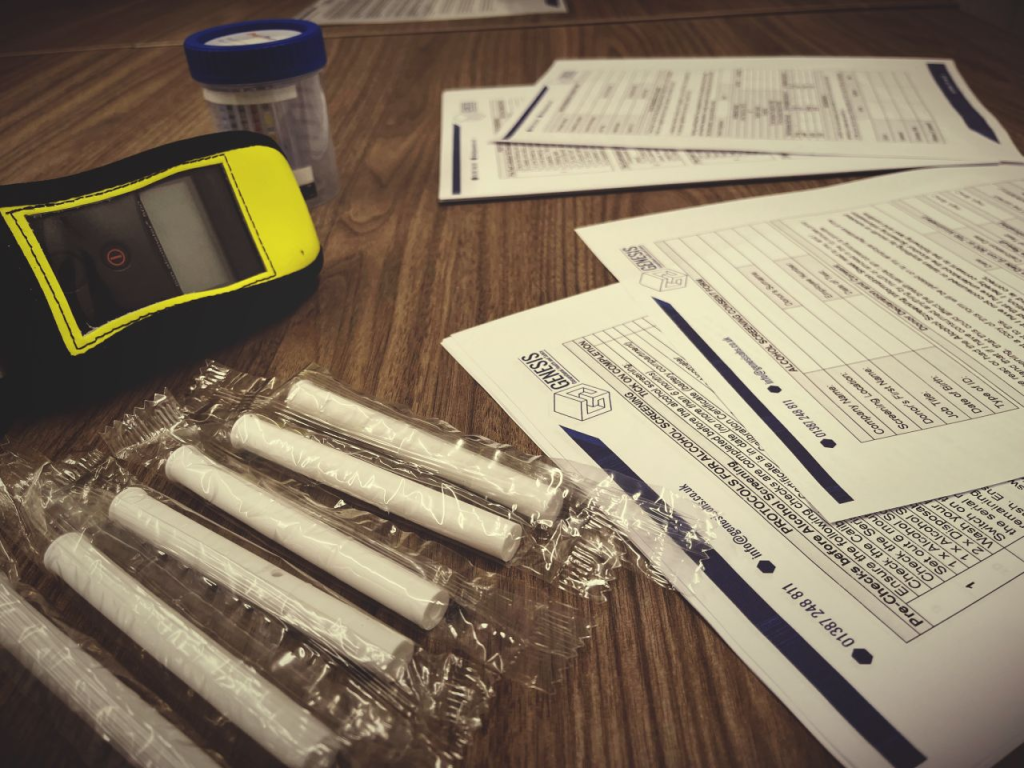
In safety-critical work, the consequences of impairment can extend far beyond one employee. A momentary lapse in concentration while driving, operating machinery, working at height or using lifting equipment could place colleagues, customers and members of the public at serious risk.
However, introducing workplace drug and alcohol testing is not as simple as purchasing testing kits or adding a zero-tolerance statement to an employee handbook. Testing is an intrusive process involving consent, confidential health information and potentially life-changing employment decisions. It must therefore be risk-based, proportionate and supported by a clear policy and reliable process.
Why safety-critical employers need a clear approach
The Health and Safety Executive identifies activities such as using machinery, electrical equipment or ladders, driving and operating heavy lifting equipment as examples of safety-critical work.
Employers also have a general duty under the Health and Safety at Work etc. Act 1974 to protect, so far as reasonably practicable, the health, safety and welfare of employees and anyone else who may be affected by their activities.
For organisations operating within construction, transport, engineering, utilities, manufacturing, agriculture, forestry and other high-risk sectors, drug and alcohol misuse can become both an employee-health concern and a significant workplace risk.
The purpose of testing should be to help manage that risk, not simply to catch employees out.
When might workplace testing be appropriate?
Depending on the organisation, its risk profile and its policy, testing may include:
- pre-employment or pre-placement testing for defined safety-critical roles;
- genuinely random or unannounced testing;
- routine or periodic testing where this is justified;
- post-incident testing;
- for-cause testing where there is reasonable suspicion;
- percentage-of-workforce screening; and
- testing as part of a supportive return-to-work or recovery programme.
Testing every employee is not automatically more effective or more defensible. The Society of Occupational Medicine advises that testing should be limited to employees whose duties justify it, such as those undertaking safety-critical or asset-critical work, or used for cause following an incident or concern.
Where random testing takes place, the method of selection should be demonstrably random. An employer should be able to explain:
- why testing is necessary;
- which roles are included and why;
- when testing may take place;
- which substances are being tested for;
- why the selected testing method is appropriate; and
- what will happen following a non-negative result.
Testing must be supported by a clear policy
The HSE’s guidance on workplace drug and alcohol policies recommends that organisations establish an agreed policy and consult employees or their representatives. The policy should explain:
- its purpose and scope;
- which roles are considered safety-critical;
- the standards expected from employees;
- when testing may be requested;
- how employees are selected;
- what constitutes reasonable suspicion;
- what happens following an incident;
- the potential consequences of refusing a test;
- how prescribed medication should be disclosed confidentially;
- the difference between a screening result and a confirmed result;
- what disciplinary process may apply; and
- what support is available when an employee asks for help.
Consent is required when collecting a drug or alcohol sample. Although a policy or contractual provision may explain the potential employment consequences of an unreasonable refusal, it does not allow an employer to physically force an employee to provide a sample.
The policy must also be understood by the managers responsible for applying it. A document sitting unread in a folder will provide little practical protection when a supervisor is faced with a suspected impairment concern.
A non-negative screen is not a confirmed positive result
One of the most important distinctions for employers is the difference between an initial screening result and a confirmed laboratory result.
A workplace screening device may produce a non-negative result. This indicates that a substance may be present above the relevant cut-off and that further investigation is required. It should not automatically be treated as a confirmed positive result.
The Society of Occupational Medicine explains that a non-negative drug screen will normally require laboratory analysis of the same sample.
A Medical Review Officer may then review the result, check the chain-of-custody documentation and allow the employee to provide a legitimate medical explanation, such as prescribed medication.
The European Workplace Drug Testing Society publishes European guidelines covering workplace testing using urine, oral fluid, hair and exhaled breath.
Different samples have different detection windows and purposes, which is why the testing method must be selected carefully. The quickest or cheapest test is not necessarily the most appropriate one.
Why chain of custody matters
If a result may lead to an employee being removed from safety-critical duties or facing disciplinary action, the integrity of the sample must be demonstrable. A robust chain-of-custody process records the sample’s journey from collection through transportation, analysis and reporting.
This includes:
- verifying the donor’s identity;
- correctly labelling the sample;
- securely sealing it;
- recording everyone who handles it;
- maintaining appropriate storage and transportation;
- arranging laboratory confirmation where required; and
- reporting the outcome confidentially.
Without this evidence, an employer may struggle to demonstrate that the result relates to the correct employee, that the sample remained secure and that it was interpreted appropriately.
Prescribed medication must be considered properly
A drug may be lawfully prescribed while still having potential implications for safety-critical work. This does not mean an employee taking prescribed medication should automatically be removed from their role. It means the possible effects of the medication, the employee’s medical condition and the demands of their work may need to be considered through occupational health and an appropriate workplace risk assessment.
This became particularly relevant in the 2026 case of Truman v SPL Powerlines UK Ltd, Network Rail Infrastructure Ltd and Express Medicals Ltd.
Mr Truman had worked successfully within the rail industry before failing a drug and alcohol test because he was using prescribed medical cannabis to manage a disability.
The test led to the loss of the approval he required to continue working within the safety-critical rail industry. Part of his appeal concerning the disadvantage he experienced was allowed against Network Rail and returned to the Employment Tribunal for reconsideration.
The case demonstrates the complexity of applying drug and alcohol policies where prescribed medication and disability are involved.
The fact that medication has been legally prescribed does not mean its potential safety effects can be ignored. Equally, a testing result should not remove the need to consider medical evidence, risk assessment, potential adjustments and the employer’s responsibilities under the Equality Act 2010.
A test result must be considered within its full medical and occupational context.
Confidentiality and data protection
Drug and alcohol test results are health information and therefore special-category personal data. The Information Commissioner’s Office advises employers to justify why testing is necessary, make the rules clear and use the least intrusive testing method capable of achieving the intended benefit.
Employers should also consider completing a Data Protection Impact Assessment before introducing a systematic testing programme.
Information should only be shared with people who genuinely need it, stored securely and retained for no longer than necessary.
Occupational health can help maintain the boundary between confidential clinical information and the proportionate workplace outcome required by management.
Support should remain part of the process
Testing should not remove the human element. The HSE advises that when an employee voluntarily discloses a drug or alcohol problem, an effective policy should aim to provide appropriate help and support rather than move automatically to dismissal.
This may include occupational health assessment, counselling, treatment support, temporary workplace restrictions or a structured return-to-work and testing programme.
Employers must still respond appropriately when safety rules have been breached. However, deliberate misconduct, dependency, prescribed medication and an employee voluntarily asking for help may require different responses.
A good policy should make those distinctions clear.
Is your testing process ready?
Before introducing or reviewing workplace testing, employers should ask:
- Have we identified our genuine safety-critical roles?
- Can we demonstrate why testing is necessary and proportionate?
- Have employees or their representatives been consulted?
- Does our policy clearly explain every testing trigger?
- Is random selection genuinely random?
- Are samples collected using strict chain-of-custody procedures?
- Are non-negative drug screens appropriately confirmed?
- Is there access to medical review and occupational health advice?
- Do managers know how to respond to an incident, refusal or disclosure?
- Does the process protect confidentiality and provide appropriate support?
If the answer to any of these questions is unclear, the testing programme may not be as robust as it appears.
How Genesis OHS can help
Genesis Occupational Health & Safety provides legally defensible workplace drug and alcohol testing, including:
- pre-employment testing;
- random and unannounced testing;
- post-incident testing;
- reasonable-suspicion and for-cause testing;
- routine and percentage-of-workforce screening;
- alcohol breath testing;
- urine drug testing; and
- strict chain-of-custody procedures.
We also support employers and employees where drug or alcohol misuse, dependency or potentially impairing medication is disclosed.
A test result should never sit in isolation. It must form part of a fair, confidential and properly governed workplace process.
To discuss drug and alcohol testing for your workforce, contact the Genesis OHS occupational health team:
This article provides general workplace information and does not constitute employment or legal advice.
Drug and Alcohol Testing in Safety-Critical Work: Is Your Process Fit for Scrutiny? Read More »